

Healthcare Enquiry Forms: Review Data Before Adding Tracking
Map form fields, vendors and notification routes before changing the measurement around a healthcare booking journey.
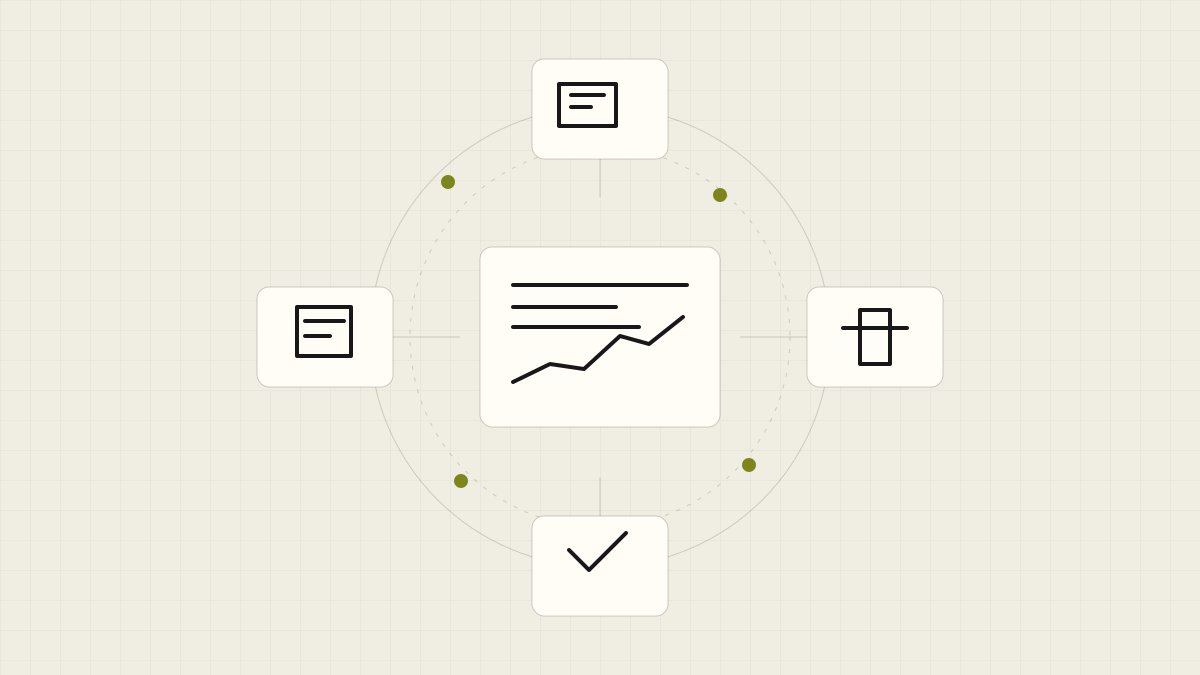
A healthcare website can look simple while sending information to several different systems. Before adding a tracking tag or changing a booking form, draw the actual route the information takes. This review starts with the workflow, not a product’s claim to be secure.
1. Separate public content from intake
A public service page and an authenticated patient portal are not the same workflow. HHS notes a court limitation concerning IP addresses combined with public health-page visits; context and the information disclosed still matter. Read the HHS tracking guidance.
List the public pages, booking screens and signed-in screens separately. Identify the team responsible for each. A “cookieless” label does not tell you which fields, URLs or events a tool receives.
2. Inventory fields and destinations
For each form, record its fields, whether they are required and where the submitted information goes. Include the booking service, database, email notification, CRM, analytics and error reporting.
A test request can pass through more destinations than the visible confirmation suggests. Check whether query strings, page titles or diagnostic logs carry information entered into the form. Use synthetic details for testing, not a real patient’s record.
3. Review vendors with the responsible team
Collect the vendor name, service purpose, access roles and current contract for each destination. HHS explains the role of business associate contracts in applicable relationships. Have the practice’s responsible reviewer assess those relationships before changing the data flow.
Keep the approval and the approved configuration together. A document on file is not a substitute for checking what the deployed integration actually sends.
4. Make notifications useful without copying the intake
As a workflow design choice, notify the authorised team that a request exists and direct them to the approved system. Avoid duplicating the entire submission into broad inboxes, chat channels or generic analytics events.
Record who owns the queue and how unresolved requests are found. An attractive confirmation screen cannot replace an assigned follow-up process.
5. Run a controlled release check
- Submit synthetic data and record every destination reached.
- Check failed submissions, expired verification and duplicate clicks.
- Verify that only intended roles can read the saved request.
- Confirm the notification points to the approved workflow.
- Repeat the check after a tag, vendor or form configuration changes.
Bring a workflow, not patient records
For a website review, share the public URL and a description of the booking process. Our business contact form is not a patient intake channel. Start with the page, the tools involved and the question your team needs to answer.